The future of frictionless payments is here
Why use the internal vein patterns?
Because they’re unique to everyone of us.
Veins are beneath the skin, they cannot be easily photographed, copied, or lifted.
This, according to cryptography and security experts, makes it nearly impossible to fake — without living tissue.
In a nutshell: It’s the blood vessel structure visible only under NIR light that makes this identity tech spoof-proof. That’s live tissue detection at work for you.
Note: Compared with facial recognition or fingerprint systems, palm-vein biometrics generally achieve a lower false acceptance rate (FAR) and demonstrate stronger resistance to fraud.
Who is using palm payments?
It’s now everywhere in China. Kazakhstan’s Kaspi bank is using it, too.
In terms of commercial-scale rollout in retail applications, WeChat Pay and Amazon One have been using palm vein scanning.
Result: these systems deliver a magical user experience backed by cutting-edge biometrics.
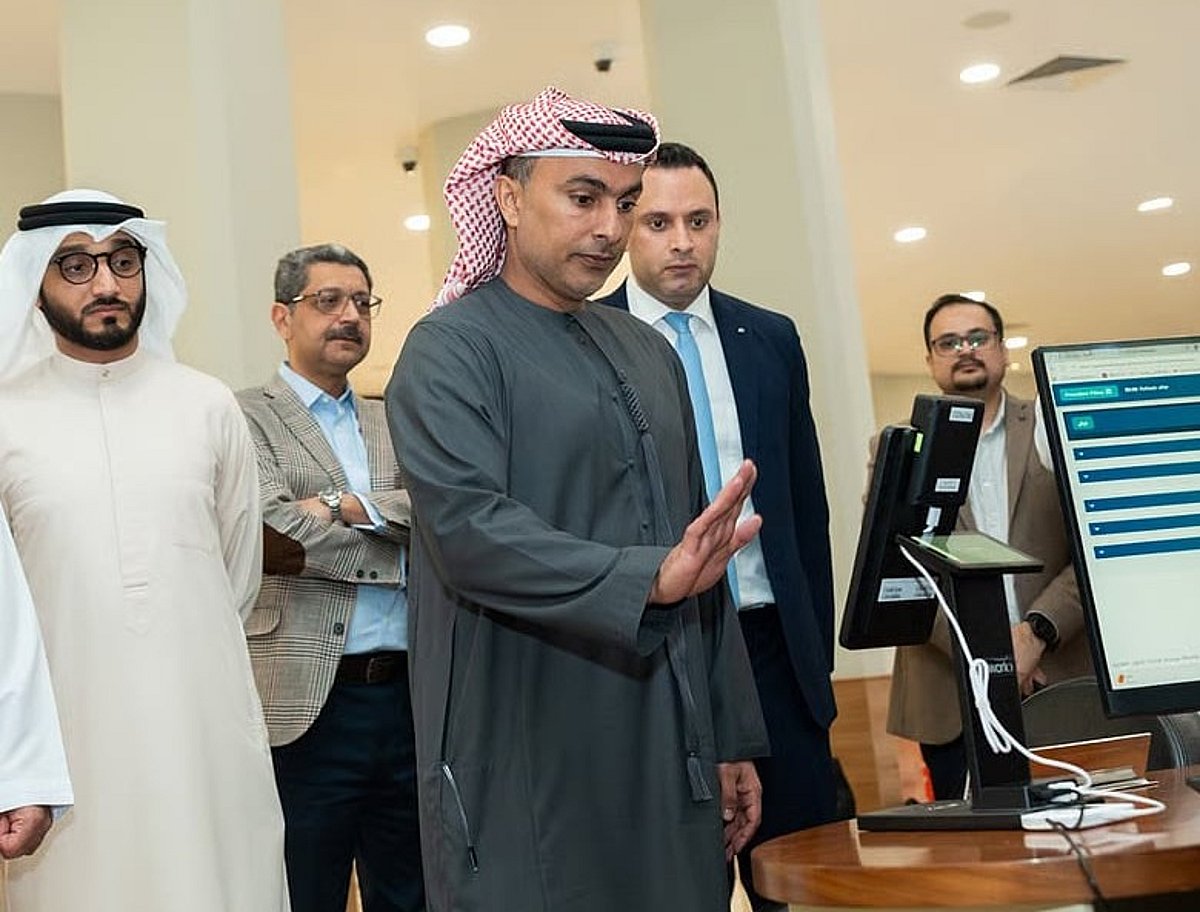
The UAE Central Bank, too, is now piloting the use of a hybrid palm and facial biometrics system.
Real-world rollouts: Any users of this palm-based ID system?
Yes, there are quite a number of them already.
-
WeChat Palm Pay: Launched in May 2023 in China, it powers vending machines, supermarkets, and airport transit. Users register once via app, then wave to pay up to thousands of yuan instantly. Users: 100 million+ (as of late 2025).
-
Amazon One: Deployed in Whole Foods and stadiums across the US, it links your palm to Amazon accounts for seamless checkouts. No lines, no fumbling — just hover and go.
What’s the tech powering this security system?
-
NIR imaging: Penetrates skin to capture veins, resisting photos or masks.
-
Edge AI: Processes data on-device for speed and privacy — no raw biometrics leave the scanner.
-
Biometric templates: Converts scans into irreversible math codes, preventing reconstruction.
-
Token mapping & hardware security module (HSMs): Generates anonymous tokens stored securely in tamper-proof hardware.
What is an HSM (Hardware Security Module)?
An HSM is a dedicated, physical computing device that safeguards and manages digital keys, performing cryptographic operations (encryption, decryption, signing) within a hardened, tamper-resistant environment.
The future of palm payments?
Obed Inya, systems architect & founder of Building Distributed PaaS (BlinkHost), expects the adoption of palm-based identification and security systems to scale.
The reason: convenience, security and the added “end-user experience” (“UX” in tech circles).
“Palm payment systems provide strong security advantages over traditional biometrics,” Inya wrote in a LinkedIn post in April 2025,.
The predicts that use cases of “palm pay” coming up soon: airports, concerts, and borders.
What about hybrid palm, facial and iris scans?
Inya predicts that hybrids with facial recognition will further boost accuracy, while on-device phone scans eliminate hardware needs.
Cross-border expansion, like WeChat going global, could redefine travel payments, too.
As adoption surges, and palm payment tech fuses ironclad security with invisible convenience, ditching your wallet might become the new normal — faster than you think.
link