Thai Public Health Introduces Biometric System to Identify Migrant Workers
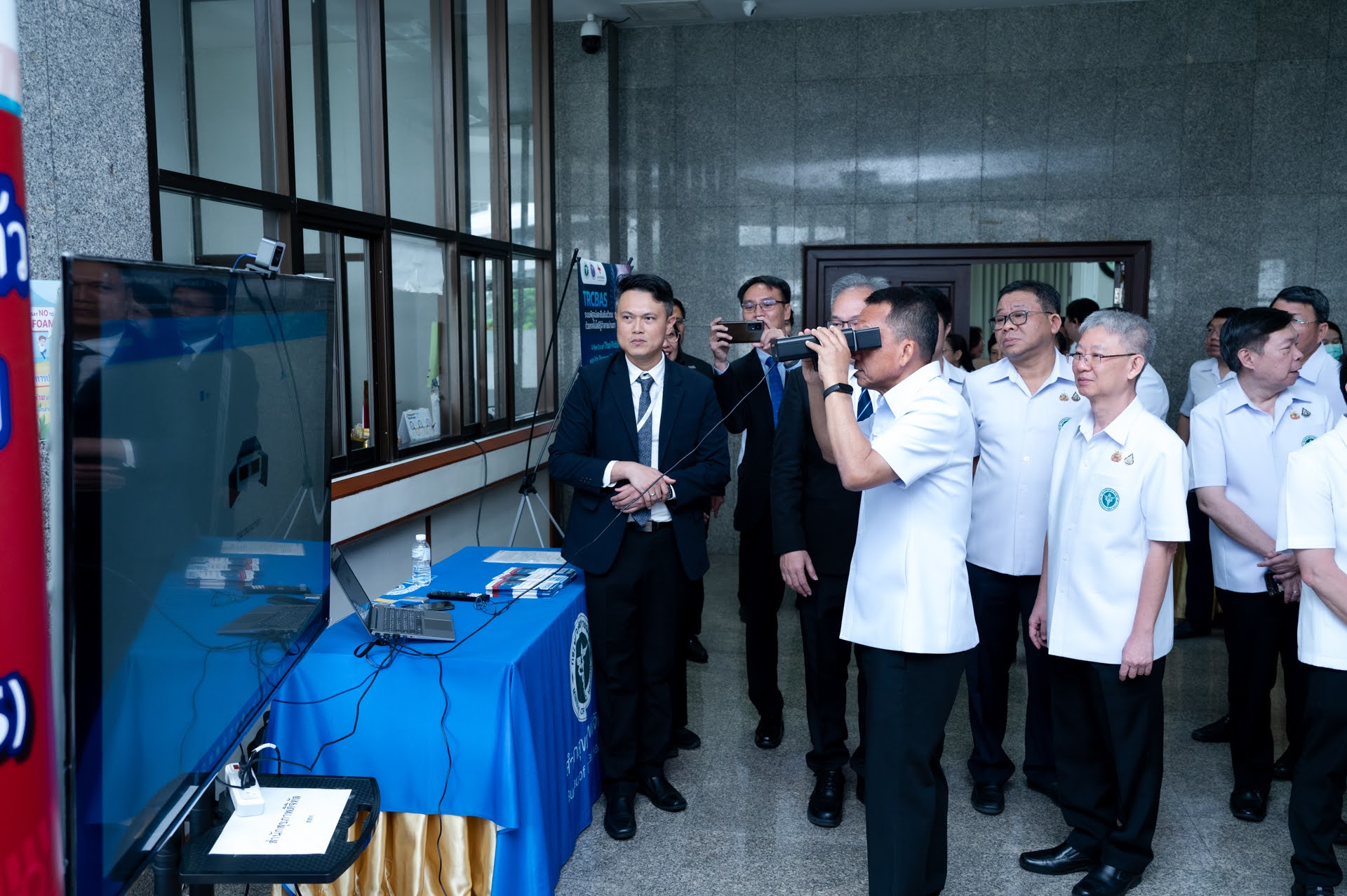
BANGKOK — The Thai Ministry of Public Health (MOPH), in collaboration with the Thai Red Cross Society and the National Science and Technology Development Agency (NSTDA), has developed a biometric technology system to identify undocumented persons in Thailand.
The system has demonstrated a 99.75% accuracy rate, expanding coverage for disease prevention and control, medical services, and humanitarian aid.
Before leaving office due to political changes, Health Minister Somsak Thepsuthin presided over the signing ceremony of a Memorandum of Understanding (MOU) on September 4 at the Office of the Permanent Secretary, Ministry of Public Health in Nonthaburi. The agreement covers the application of biometric technology to identify undocumented persons in Thailand for public health and humanitarian purposes.
Somsak explained that MOPH is promoting the use of biometric data to verify the identity of undocumented migrants, ethnic minorities, and displaced persons at the border. This initiative will improve surveillance, prevention, and disease control.
Previously, when these groups became ill, received immunizations, or faced disasters, they were excluded from official databases, resulting in a lack of support and assistance.
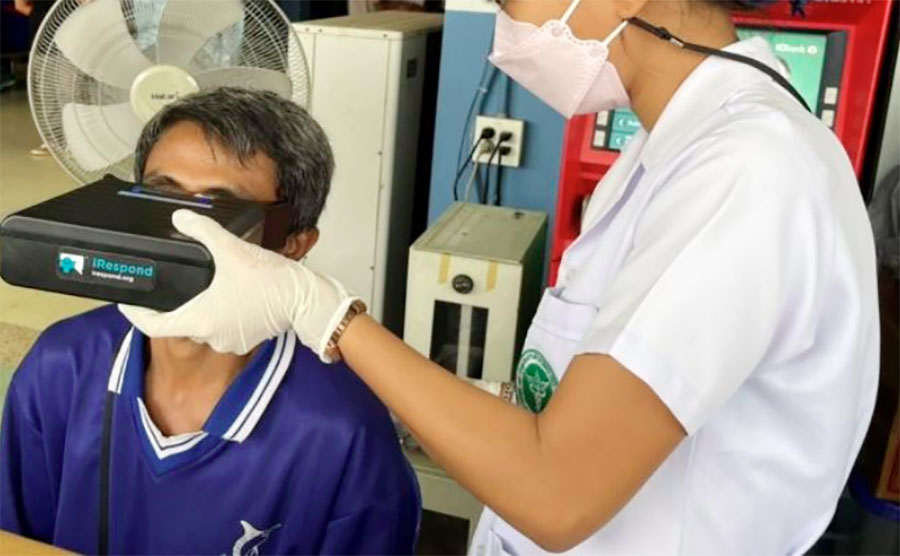
The Ministry has developed and deployed the Thai Red Cross Biometric Authentication System (TRCBAS) in collaboration with the Thai Red Cross Society and NSTDA. The system utilizes iris and facial recognition to capture biometric data, supporting the health sector and public health services in providing humanitarian aid.
According to the Department of Labour’s Bureau of Alien Workers Administration, there were 2,222,905 migrant workers nationwide in July 2025, with over 1 million undocumented. The development of this identification technology therefore provides significant benefits to both individual and national public health and will be implemented in accordance with public sector data governance principles.
“The application of biometric technology not only improves healthcare, disease prevention and control, medical services, and humanitarian aid with accuracy and inclusivity, but also reflects the protection of human rights and dignity of undocumented people in Thailand. It also creates opportunities for education and research by Thai public health professionals to develop further benefits for the general population,” Somsak said.
Krisada Boonraj, deputy secretary-general of the Thai Red Cross Society, said the organization, as a national charity, is tasked with alleviating suffering, promoting welfare, treating diseases, and eliminating threats for the benefit of the people. It has worked with NSTDA to successfully develop iris and facial recognition technologies to identify undocumented persons.

Under this MOU, the Thai Red Cross Society will provide policy support, equipment and tools for iris and facial data collection, and other necessary resources to improve health services and humanitarian assistance—contributing to a better quality of life for all people in Thailand.
Prof. Dr. Sukit Limpijumnong, Director of NSTDA, explained that TRCBAS was developed by applying iris and facial recognition technologies to verify identities before people receive health services and humanitarian aid. Iris data is particularly unique, permanent, and difficult to falsify.
This collaboration will extend TRCBAS use to municipal disease control offices, Ministry of Health public hospitals in targeted areas such as Samut Sakhon, Tak, and Mae Hong Son, as well as private hospitals registered to conduct health checks for migrant workers. Currently, more than 200,000 migrant workers are already registered in the system, which has a processing accuracy rate of 99.75%.
____________
link