Tech company tests life-saving sensors inside Oklahoma County jail
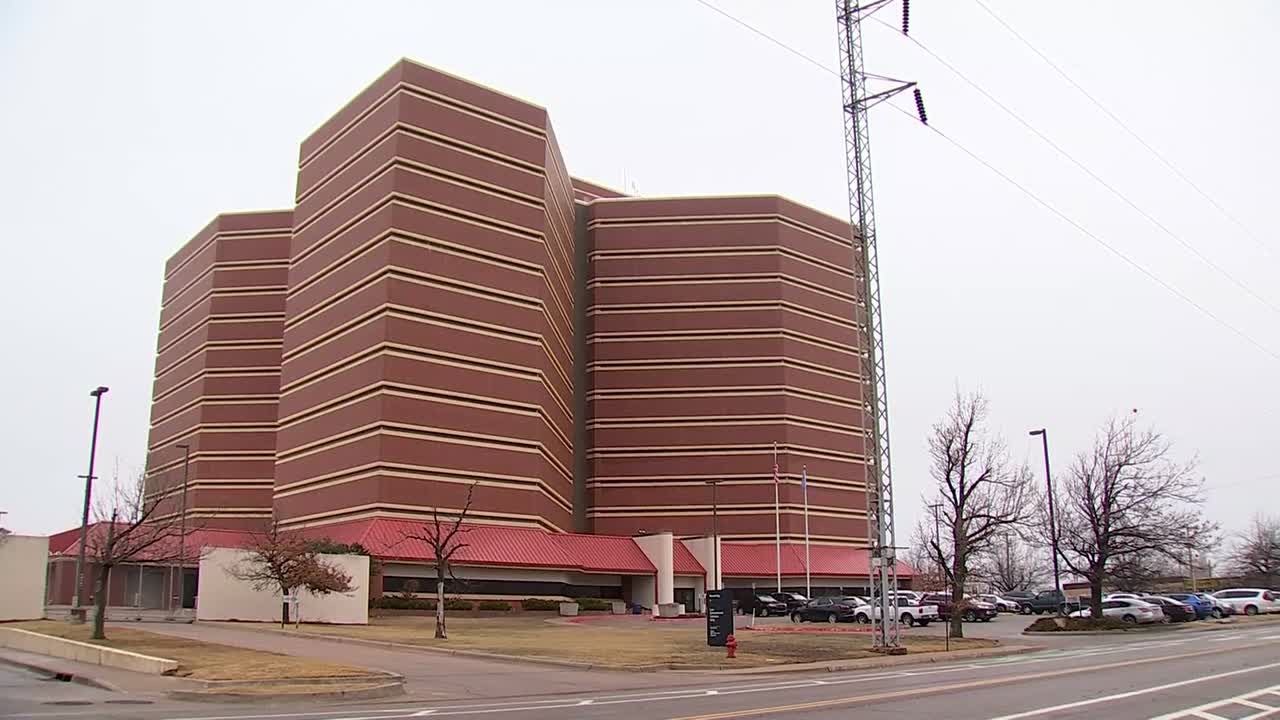
Inmate deaths at the Oklahoma County Jail have caught the attention of a global tech company, which is now testing radar technology—originally developed for space—inside the facility in hopes of preventing future fatalities.
On any given day, more than 1,500 individuals are housed at the Oklahoma County Detention Center. Jail officials say keeping them safe is a constant concern.
“We do sight checks hourly, or maybe every 15 to 30 minutes depending on the scenario,” said Greg Couch, Chief of Infrastructure and Technology at the jail.
However, Couch says it’s the time between those checks that can be the most dangerous.
“Someone could have a medical episode right after their sight check,” he said. “Something could happen in the next five minutes.”
OK County Inmate Deaths
So far this year, eight inmates have died in custody. To help reduce that number, the jail is piloting radar sensors created by Integrity Communications Solutions—a Colorado-based company with space technology contracts from NASA, the Department of Defense, and the U.S. Space Force.
“We’re starting with one person, one cell, and one radar,” said Graeme Towndrow, President of Communications Operations at Integrity. “The system picks up micro-movements inside a jail cell and recognizes the presence and condition of an individual.”
Since early July, six sensors have been in place at the jail’s high-risk medical unit, actively collecting data. These sensors track vital signs such as breathing and heart rate. The radar system can detect signs of distress, including suicide attempts, overdoses, or even early signs of a fight, and automatically alerts staff.
“As we collect more data and work with the jail, we’ll be able to define what different incidents look like to the radar—whether it’s fentanyl ingestion or escalating violence,” Towndrow said. “We can respond to that and deal with it before it becomes fatal.”
The Cost of Safety
Towndrow said the technology is cost-effective, estimating under $5,000 per sensor, and offers constant monitoring.
“The radar never takes a day off, never falls ill, it’s working 24/7 helping and supporting the people in the prison,” he said.
Jail officials say the system also supports staff working in tough conditions.
“To give staff who work in these in these environments a helping hand where they can make a determination that somebody is well to me is absolutely incredible,” Towndrow said.
A full rollout of 48 sensors on the medical unit’s floor is expected to be complete by the end of August. Since the pilot began, more than 30 other jails across the U.S. have expressed interest in testing the technology.
link